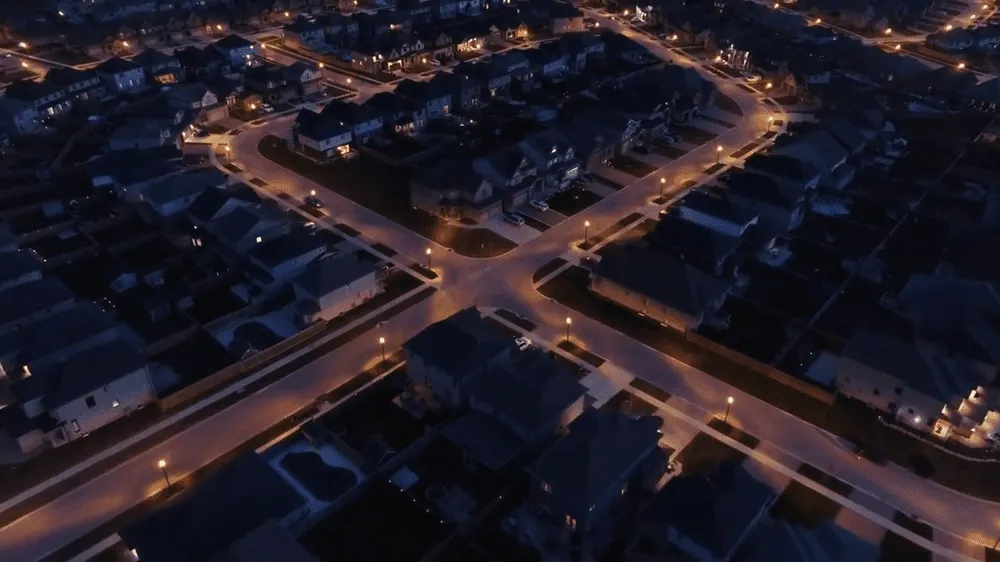
Commercial Solar Street Lighting vs Traditional: Comprehensive Analysis

As cities and municipalities worldwide seek to modernize their infrastructure and reduce their environmental footprint, the choice between traditional and solar-powered street lighting has become increasingly important. This comprehensive comparison examines the key differences, advantages, and considerations for both lighting solutions.
1. Energy Efficiency in Commercial Solar Lighting
Traditional Street Lights
- Rely on grid electricity, often generated from fossil fuels
- Contribute to greenhouse gas emissions
- Require extensive underground cabling infrastructure
- Higher carbon footprint throughout their lifecycle
Solar Street Lights
- Harness renewable solar energy
- Zero direct emissions during operation
- No grid connection required
- Significantly lower carbon footprint
2. Installation for Commercial Solar Street Lighting
Traditional Street Lights
- Require complex underground wiring
- Higher installation costs due to trenching and cabling
- Longer installation time
- Disruptive to existing infrastructure
Solar Street Lights
- Simple pole-mounted installation
- Lower installation costs
- Quick deployment
- Minimal disruption to surroundings
3. Cost Analysis of Commercial Solar Lighting
Traditional Street Lights
- Ongoing electricity costs
- Regular maintenance of electrical infrastructure
- Higher long-term operational expenses
- Vulnerable to power outages
Solar Street Lights
- No electricity bills
- Minimal maintenance requirements
- Lower long-term operational costs
- Independent operation during power outages
4. Performance of Solar Powered Street Lights
Traditional Street Lights
- Consistent performance regardless of weather
- Unlimited runtime
- Dependent on grid reliability
- Fixed brightness levels
Solar Street Lights
- Performance varies with weather conditions
- Limited by battery capacity
- Independent of grid reliability
- Adjustable brightness levels
5. Advanced Technology in Commercial Solar Lighting
Traditional Street Lights
- Limited smart control capabilities
- Fixed operating schedules
- Basic monitoring options
- Standard lighting technology
Solar Street Lights
- Advanced smart control features
- Flexible scheduling options
- Remote monitoring capabilities
- Modern LED technology
6. Best Applications for Solar Street Lighting Systems
Traditional Street Lights
- Urban areas with existing grid infrastructure
- High-traffic locations requiring consistent lighting
- Areas with limited sunlight
- Projects with immediate lighting needs
Solar Street Lights
- Remote or off-grid locations
- New developments without grid access
- Areas with abundant sunlight
- Projects prioritizing sustainability
Conclusion: Commercial Solar Lighting Solutions
The choice between traditional and solar street lights depends on various factors, including location, budget, environmental goals, and specific project requirements. While traditional street lights offer reliability and consistency, solar street lights provide environmental benefits, lower operational costs, and greater flexibility in installation.
As solar technology continues to advance and costs decrease, solar street lights are becoming an increasingly viable option for many applications. However, traditional street lights still play a crucial role in areas where grid reliability and consistent performance are paramount.
Ultimately, the decision should be based on a thorough assessment of the specific needs and constraints of each project, considering both immediate requirements and long-term goals.