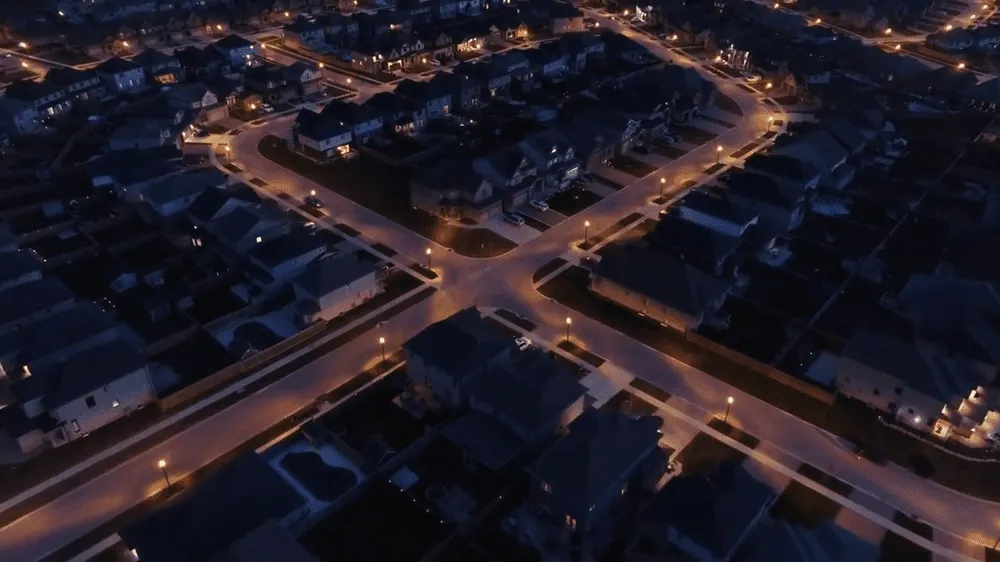
Solar Road Lights: Commercial Solar Street Lights for Safety
Traffic management is a critical aspect of maintaining road safety, ensuring smooth traffic flow, and responding effectively to emergencies. Police departments and transportation agencies often rely on temporary traffic control devices to direct drivers, warn them of hazards, or regulate speed in changing conditions. One innovation that has revolutionized the efficiency of these operations is the use of mobile solar road lights. These versatile, portable units provide a reliable and eco-friendly solar lighting system for various traffic management needs.
This essay explores the ways in which mobile solar traffic lights, such as speed signs, directional arrow signs, and flashing caution lights, benefit law enforcement and transportation departments. It highlights how these tools enhance traffic control, improve safety, reduce costs, and contribute to environmental sustainability.
1. Versatile Solar Road Lights for Traffic Control
One of the greatest advantages of mobile solar road lights is their portability and ease of deployment. Unlike fixed traffic control systems, which require extensive installation and power connections, these mobile commercial solar street lights can be quickly transported and set up in locations where they are needed. This is particularly useful for police and transportation departments during road construction, temporary lane closures, special events, or emergencies where traffic needs to be diverted or managed.
For instance, mobile solar powered street lights can be deployed in school zones or areas with changing speed limits. Police can quickly move these signs to different locations as needed, ensuring that drivers are informed of speed restrictions in real time. Similarly, right and left arrow signs can be positioned to guide traffic around obstacles or through detours, helping to reduce confusion and prevent accidents.
The mobility of these systems allows authorities to adapt to changing traffic patterns or incidents without the need for permanent infrastructure. This flexibility is especially important for transportation departments that manage large regions with varying traffic conditions.
2. Commercial Solar Street Lights for Road Safety
Flashing yellow caution lights are a vital tool for alerting drivers to potential hazards, such as roadwork zones, accident scenes, or dangerous intersections. Mobile solar road light units can be quickly deployed in these areas, providing a clear visual signal that draws attention and prompts caution among drivers.
For police responding to emergencies or accidents, these flashing lights help create a safer environment for officers and other first responders by warning approaching traffic of the need to slow down or stop. This is especially important at night or in low-visibility conditions, where the solar powered led lights are more easily seen than static signs.
In transportation departments, flashing caution lights can be used to indicate lane closures or areas with temporary road conditions, such as icy patches or flooding. By alerting drivers early, these lights reduce the risk of accidents and help maintain smoother traffic flow.
3. Speed Control with Solar Road Lighting Systems
Speed control is a key aspect of traffic safety, and mobile solar road lights are a highly effective tool for regulating driver behavior. These signs use radar technology to display the speed of oncoming vehicles, encouraging drivers to slow down when they see they are exceeding the limit. This real-time feedback can significantly reduce speeding in sensitive areas, such as construction zones, school zones, or residential neighborhoods.
For police departments, mobile speed signs are a non-intrusive method of speed enforcement that can be placed in areas with known speeding issues. They serve as a deterrent without requiring a constant police presence, freeing up officers to focus on other tasks. Additionally, the data collected from these signs can be used to identify high-risk areas for speeding, allowing law enforcement to allocate resources more effectively.
In transportation departments, mobile solar speed signs can be used in temporary traffic management scenarios, such as during roadwork or detours, where speed limits may change. The visibility and immediate feedback provided by these signs help ensure compliance with speed limits, improving safety for both drivers and workers.
4. Cost-Effective Solar Powered Street Lights
Solar-powered traffic control devices offer significant cost savings compared to traditional grid-powered or fuel-based systems. Once installed, solar road lighting units have minimal operating costs, as they draw their energy from the sun. This eliminates the need for fuel, reduces maintenance, and lowers overall energy consumption. For police and transportation departments that operate on tight budgets, this can translate into substantial long-term savings.
In addition to the financial benefits, mobile commercial solar street lights are also an environmentally friendly solution. By harnessing solar energy, these systems reduce reliance on fossil fuels and decrease greenhouse gas emissions. This is especially important as cities and governments worldwide work toward reducing their carbon footprints and promoting sustainable infrastructure. Solar powered street lights contribute to these goals by providing a clean, renewable energy source for traffic management.
5. Reliable Solar Road Lighting for Commercial Use
Mobile solar road lights are designed to be self-sufficient, making them ideal for use in remote areas or during power outages. Unlike traditional traffic control systems that rely on a connection to the electrical grid, these solar lighting system units can operate independently, ensuring continuous functionality even in off-grid locations or during natural disasters. This reliability is crucial for police and transportation departments when managing traffic in rural areas or responding to emergency situations where power infrastructure may be compromised.
For example, in the aftermath of a hurricane or flood, solar-powered flashing lights can be deployed at intersections or along evacuation routes to guide traffic safely, even if the local power grid is down. Similarly, in areas with limited access to electricity, such as rural highways or national parks, solar traffic signs and lights provide a dependable solution for traffic control without the need for expensive electrical installations.
6. Minimal Maintenance and Easy Operation
Mobile solar traffic lights are designed for durability and ease of use. With few moving parts and no need for fuel, these units require minimal maintenance. Solar panels are built to withstand harsh weather conditions, including rain, snow, and intense sunlight, ensuring consistent performance throughout the year. Battery systems store energy, allowing the lights to operate during the night or on cloudy days, further enhancing their reliability.
For police officers or transportation workers, the simplicity of these systems means that they can be quickly set up and operated with minimal training. This ease of deployment is crucial during time-sensitive operations, such as managing traffic after an accident or setting up temporary detours during road construction.
Conclusion
Mobile solar road lights provide police and transportation departments with a versatile, reliable, and cost-effective solution for managing traffic and ensuring road safety. Whether it's speed signs that regulate driver behavior, directional arrows that guide traffic, or flashing caution lights that warn of hazards, these portable systems can be deployed quickly and efficiently in a wide range of scenarios. Their eco-friendly, off-grid operation also makes them an ideal choice for sustainable traffic management, reducing both costs and environmental impact.
In an era where both traffic demands and environmental concerns are on the rise, mobile commercial solar street lights and solar powered street lights offer a practical and innovative way for police and transportation agencies to keep roads safe, efficiently manage traffic flow, and respond to emergencies without compromising on sustainability.
Solar road light systems require redundant power systems, high-capacity batteries, and efficient LED modules. Our solar lighting system designs typically include MPPT controllers, monitoring capabilities, and backup power options for maximum reliability.