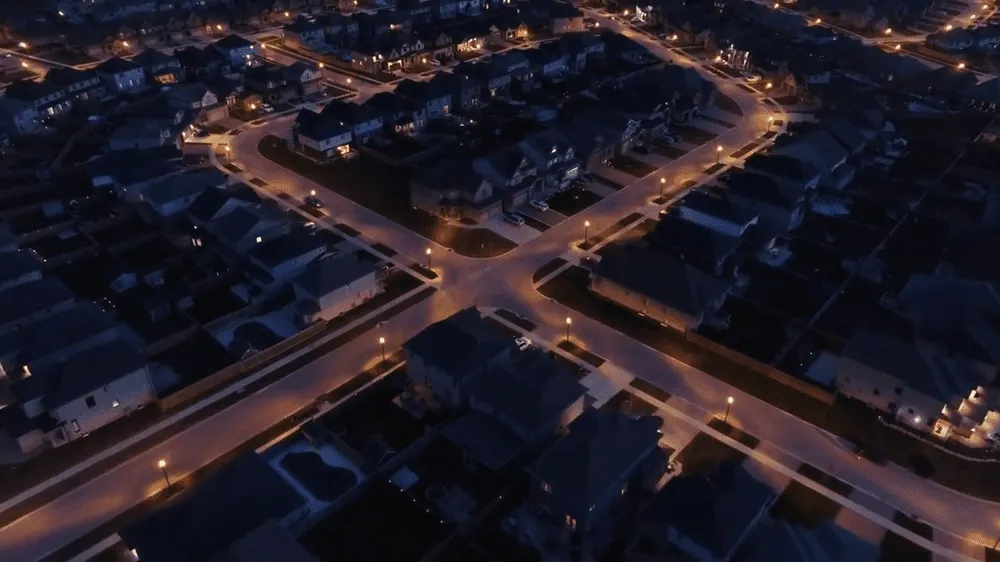
Commercial Solar Street Lights: Comprehensive Guide to Pole Materials

From the steel forests of modern cities to the tranquil pathways of classical gardens, the material of a light pole can dramatically shape the visual identity of its surroundings. When designing a commercial solar street lights project, selecting the right material requires a multidimensional evaluation—factoring in strength, weather resistance, aesthetics, and solar street light price. Common options such as stainless steel, aluminum, galvanized steel, and wood each offer unique benefits for an off grid lighting system.
Stainless Steel Poles for Commercial Solar Street Lights
Renowned for its superior corrosion resistance, stainless steel has become a popular choice for outdoor light poles. Its main component, chromium, reacts with oxygen in the air to form a dense passive oxide layer, effectively shielding the material from rain, salt spray, and acidic or alkaline substances. This makes stainless steel especially suitable for coastal cities and industrial zones.
Take 304 stainless steel as an example—it maintains its sleek appearance in humid conditions while offering high tensile strength and toughness, making it resilient against strong winds and extreme weather. In addition, stainless steel can be polished or brushed to achieve a refined metallic finish that complements modern, minimalist architecture. However, the higher material and fabrication costs, along with the complexity of welding and machining, may limit its use in large-scale projects.
Aluminum Poles for the Best Solar Powered Street Lights
Aluminum stands out for its lightweight and excellent machinability. With only one-third the density of steel, aluminum poles are easier to transport and install, significantly reducing construction costs and labor requirements for your solar lighting system. The surface is typically anodized, forming a hard oxide coating that greatly enhances corrosion and abrasion resistance, ensuring long-term stability and color retention in outdoor environments. A reputable solar street light manufacturer will often recommend aluminum for its longevity.
Thanks to its superior malleability, aluminum alloy can be cast or extruded into complex shapes, meeting diverse design needs—from artistic curves to sleek linear profiles. That said, aluminum's relatively low hardness makes it more susceptible to deformation upon impact, requiring careful consideration in areas with high pedestrian or vehicle traffic when installing solar powered street lights.
Galvanized Steel Poles for Off Grid Lighting System
Galvanized poles use carbon steel as the core material, coated with a protective layer of zinc through hot-dip galvanization. This dual-layer of zinc and zinc-iron alloy forms a robust barrier between the steel and its environment, offering corrosion protection for 20 to 30 years, which is essential for a reliable solar lighting system.
Galvanized steel poles are widely used in urban and rural roads due to their affordability and reliability. If you are looking for a competitive solar street light price, galvanized steel is often the primary choice. However, their appearance is generally limited to a silver-gray or white finish. Moreover, if the zinc coating is damaged during transportation or installation, the exposed steel may rust and require timely repair. Integrating them with a solar panel for outdoor lighting requires proper mounting brackets to ensure stability.
Wood: Natural Aesthetics with Cultural Appeal
Wooden light poles offer a distinctive, organic charm that blends seamlessly with natural landscapes, making them a preferred choice for scenic areas and courtyards. Commonly used treated woods—such as pine or Bangkirai—undergo vacuum pressure impregnation with preservatives, providing excellent resistance to moisture, insects, and decay for long-term outdoor use.
Wood poles evoke a warm, serene atmosphere and, when paired with antique-style fixtures, enhance the cultural ambiance of classical gardens and eco-parks. However, wood's durability and weather resistance are generally lower. Prolonged exposure to sunlight and rain may cause cracking, warping, or fading, necessitating regular maintenance such as painting or reapplication of preservatives, which increases the overall upkeep cost.
Composite Materials: The Emerging Alternative
New materials like fiber-reinforced plastic (FRP) are gaining attention for their unique combination of lightweight construction, high strength, corrosion resistance, and electrical insulation. These poles can be molded into various textures—such as faux wood or stone—offering both functional and aesthetic appeal. However, their relatively high cost has so far limited widespread adoption.
Conclusion: No One-Size-Fits-All Material for Commercial Solar Street Lights
There's no universally superior material for outdoor light poles. The best choice depends on specific use cases, environmental conditions, budget constraints, and design preferences for your off grid lighting system:
- Stainless steel is ideal for high-end commercial solar powered street lights and coastal regions.
- Aluminum excels in locations emphasizing design flexibility and aesthetic customization.
- Galvanized steel is a cost-effective solution for large-scale roadway off grid lighting system projects.
- Wood is unmatched in creating a natural or heritage-inspired atmosphere.
As material science continues to advance, more high-performance materials are expected to enter the commercial solar street lights space, offering expanded possibilities for urban illumination and landscape enhancement. Consult with a professional solar street light manufacturer to find the best fit for your needs.