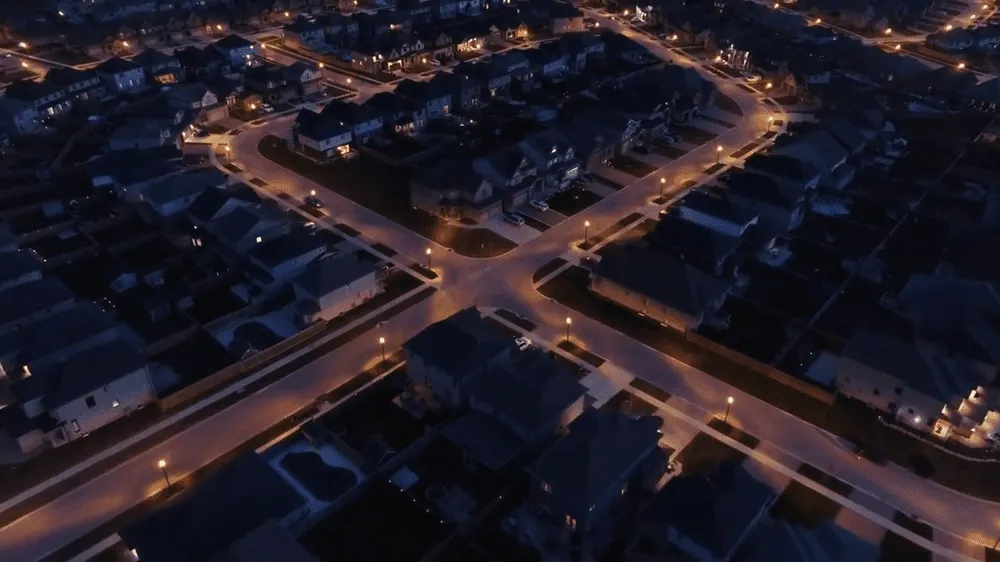
BUG Rating System for Commercial Solar Street Lights

BUG rating lighting analysis is the industry standard for evaluating commercial solar street lights. This comprehensive system measures Backlight, Uplight, and Glare components using the BUG rating scale from 0 to 5. Lower BUG rating numbers indicate superior control of light distribution and reduced light pollution, making it essential for professional solar lighting system design.
BUG Rating System Components for Commercial Solar Street Lights
The BUG rating system provides a comprehensive method for analyzing lighting distribution in solar powered street lights. Each component of the BUG rating lighting analysis serves a specific purpose in evaluating fixture performance for any solar street light specification:
a. Backlight (B) Analysis for Solar Lighting Outdoors
The Backlight component of BUG rating lighting evaluates light distribution behind the fixture. Professional analysis for commercial solar lighting considers:
- Light trespass measurement
- Property line consideration
- Distribution angle analysis
- Intensity control assessment
b. Uplight (U) Evaluation for Solar LED Street Light
Uplight analysis in the BUG rating system focuses on light emitted above horizontal for solar led street light units, examining:
- Sky glow contribution
- Direct uplight measurement
- High-angle emission control
- Dark sky compliance
c. Glare (G) Assessment for Solar Powered Outdoor Lights
The Glare component of BUG rating lighting measures potential visual discomfort in solar powered outdoor lights, analyzing:
- High-angle brightness
- Viewer position impact
- Disability glare potential
- Discomfort thresholds
2. Importance of BUG Ratings for Solar Public Lighting
a. Environmental Impact of Solar Wildlife Friendly Lighting
BUG ratings help minimize light pollution and its negative effects on wildlife, ecosystems, and human health. Proper light control in solar public lighting preserves natural darkness and supports sustainable outdoor lighting practices.
b. Energy Efficiency in Solar Lighting Systems
Fixtures with optimal BUG ratings typically deliver light more efficiently to intended areas, reducing wasted energy and operating costs for any solar lighting system. This efficiency contributes to sustainable lighting design and environmental conservation for best solar powered street lights.
3. Applications and Benefits for Solar Road Lighting
a. Urban Planning with Solar Road Lights
City planners and lighting designers use BUG ratings to select appropriate fixtures for solar road lights, ensuring compliance with local lighting ordinances and minimizing light pollution in urban areas.
b. Commercial Solar Lighting
Commercial properties benefit from proper BUG-rated fixtures by reducing light trespass, improving security lighting effectiveness, and maintaining good neighbor relations through controlled light distribution for commercial solar street lights.
4. Professional Applications
a. Lighting Design Integration
BUG rating lighting analysis is essential for:
- Commercial lighting projects
- Municipal outdoor lighting
- Parking facility illumination
- Sports facility lighting
b. Compliance and Certification
BUG rating standards help ensure:
- Local code compliance (meets solar wildlife friendly lighting standards)
- Dark sky certification
- Energy efficiency standards
- Environmental impact assessment
Summary
The BUG rating system provides essential metrics for professional solar lighting system design and analysis. Understanding and implementing proper BUG rating lighting standards ensures optimal light distribution, minimizes environmental impact, and supports sustainable outdoor lighting practices for any commercial solar street lights project.