How Commercial Solar Street Lights Support Disaster Recovery
Disaster-resistant systems require robust mounting systems, enhanced wind load ratings, waterproof components (IP65+), and redundant power storage for any solar lighting system. Battery systems should be sized for extended operation without charging, and commercial solar street lights should be designed to withstand extreme weather conditions including hurricanes and flooding.
Natural disasters like hurricanes and floods create urgent needs for commercial solar street lights. These disasters can wreak havoc on communities, often leaving people without access to essential services such as electricity and clean water. In the aftermath of such disasters, rebuilding efforts are focused on restoring infrastructure, providing relief, and ensuring basic needs are met. One of the most critical challenges during these times is the lack of power and water supply, which can impede recovery efforts and prolong suffering. In recent years, solar powered street lights and solar water pumps have emerged as invaluable tools in post-disaster rebuilding. These sustainable and independent solutions help restore critical services quickly and effectively, providing immediate relief while contributing to long-term resilience for any solar lighting system.
This essay will explore the importance of solar lighting and solar water pumps in disaster recovery, using examples from real-world situations where these technologies have played a pivotal role in helping communities rebuild after devastating events such as hurricanes and floods.
1. Solar Lighting in Disaster Recovery
After a natural disaster, one of the first and most pressing needs is reliable lighting. In many cases, traditional power grids are heavily damaged or completely destroyed, leaving entire communities without electricity for days, weeks, or even months. Solar lighting system units provide an immediate solution, offering a sustainable and reliable source of light that is not dependent on the grid. This is particularly important in areas where rebuilding electrical infrastructure can take significant time.
a. Ensuring Safety and Security with Commercial Solar Street Lights
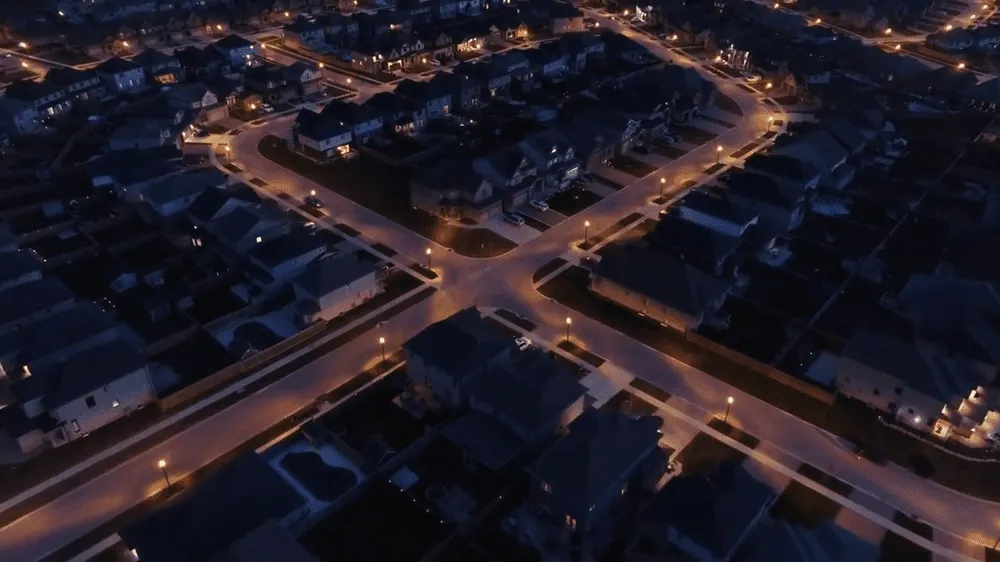
In the chaotic aftermath of a disaster, darkness can pose serious safety risks. Streets, shelters, and emergency response areas need to be well-lit to prevent accidents and ensure the safety of survivors and rescue teams. Solar powered outdoor lights can be deployed quickly in affected areas, providing essential illumination without the need for fuel or connection to the grid.
For example, after Hurricane Maria devastated Puerto Rico in 2017, much of the island was left without electricity for months. Commercial solar street lights and solar powered led lights were distributed to help residents navigate in the dark and maintain a sense of security. Solar lighting system units also illuminated critical infrastructure such as hospitals, shelters, and emergency response centers, enabling medical professionals and aid workers to continue their operations even at night.
b. Supporting Emergency and Medical Services
In disaster zones, medical services are crucial for treating the injured and sick. Without electricity, hospitals, clinics, and field medical stations struggle to function. Best solar powered street lights are often deployed to ensure these facilities can operate 24/7, regardless of grid conditions. Solar emergency light units and solar-powered medical equipment allow doctors and nurses to work through the night, providing life-saving treatments and surgeries.
Solar lighting system technology also supports search-and-rescue operations. Emergency responders rely on visibility to locate survivors, especially in remote or hard-to-reach areas where grid electricity may be nonexistent. Solar led street light floodlights and portable lights provide the necessary illumination for teams to work safely and efficiently in challenging conditions.
2. Solar Water Pumps in Disaster Recovery
Access to clean water is another critical challenge in the aftermath of a disaster. Floods, hurricanes, and earthquakes can contaminate water sources or destroy infrastructure, leaving survivors without safe drinking water. Traditional methods of water extraction, such as electric or diesel pumps, may not be viable if the power grid is down or fuel supplies are limited. In these scenarios, solar water pumps offer an effective solution by providing a reliable, sustainable means of accessing water.
a. Restoring Clean Water Supply
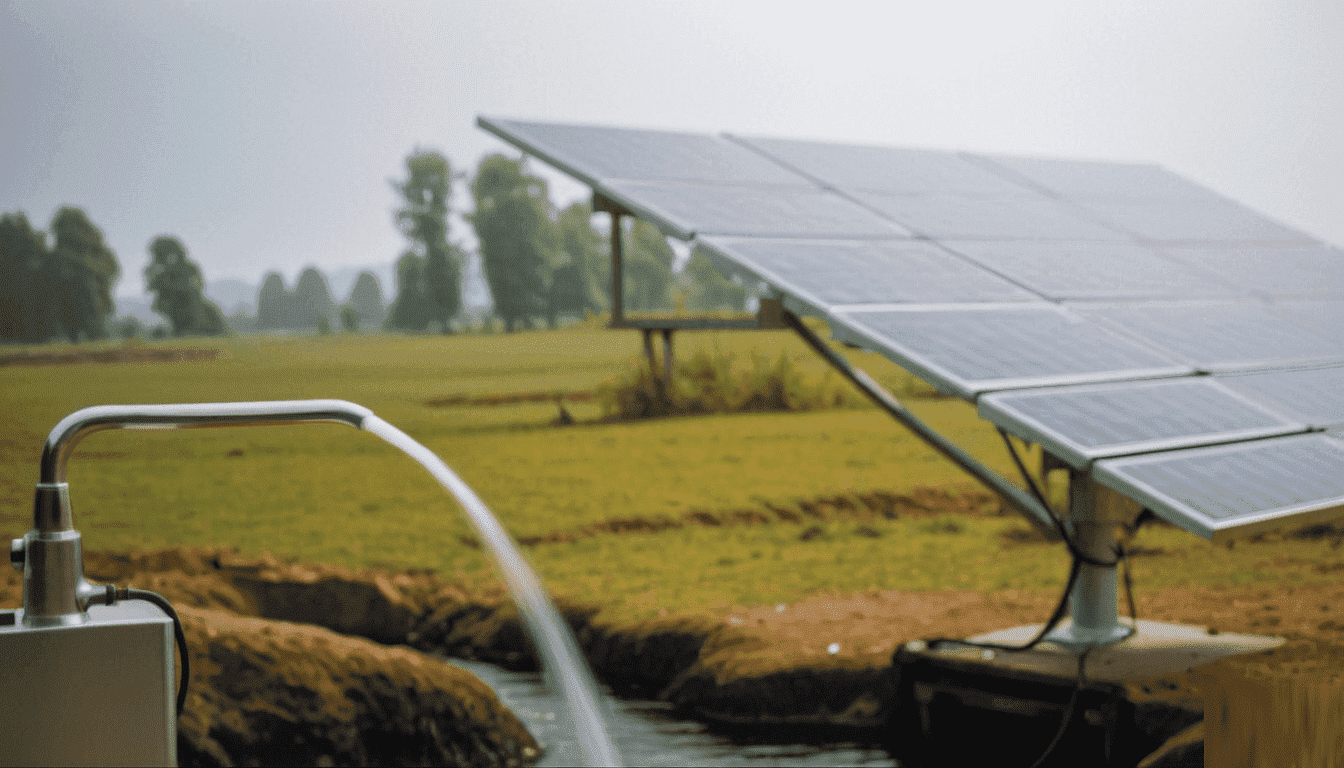
Solar water pumps are powered by photovoltaic panels that convert sunlight into electricity, driving the pump to extract water from underground wells, rivers, or other sources. Because these systems rely on solar energy, they can continue to operate even when the power grid is offline. This makes them especially valuable in disaster-stricken areas where access to fuel or electricity is severely limited.
In the aftermath of disasters like Hurricane Dorian in the Bahamas (2019) and Typhoon Haiyan in the Philippines (2013), solar water pumps were deployed to provide clean drinking water to affected communities. These pumps not only helped to meet the immediate needs of survivors but also played a key role in long-term recovery by restoring access to safe water for homes, schools, and healthcare facilities.
b. Irrigation and Agricultural Recovery
Beyond providing drinking water, solar water pumps are also essential for agricultural recovery in disaster-hit areas. Floods and hurricanes can destroy crops and farmland, leaving communities without food or livelihoods. As the rebuilding process begins, access to water for irrigation is crucial to restoring agriculture and food production. Solar water pumps enable farmers to irrigate their fields and revive their crops without relying on costly and often unavailable fuel-powered pumps.
In areas where agriculture is the primary source of income, such as rural regions affected by floods, solar water pumps help jumpstart economic recovery. By providing a reliable water supply for irrigation, these pumps enable farmers to begin planting and harvesting sooner, contributing to both food security and economic stability in the long term.
3. Long-Term Benefits and Sustainability
In addition to their immediate usefulness in disaster recovery, solar lighting and solar water pumps offer long-term benefits that contribute to community resilience and sustainability. Unlike traditional diesel generators or electric pumps, solar-powered systems have minimal operating costs and require less maintenance. This makes them a more cost-effective solution in the long run, especially for remote or off-grid areas that are prone to frequent disasters.
Solar technologies also reduce dependence on fossil fuels, which can be scarce and expensive in post-disaster scenarios. By harnessing the power of the sun, solar lighting and water pumps provide a clean, renewable energy source that can operate independently of external fuel supplies. This not only reduces greenhouse gas emissions but also ensures that communities are less vulnerable to future disruptions in fuel or electricity.
Furthermore, solar systems are scalable and adaptable, making them suitable for a wide range of applications. From individual solar lanterns to large-scale solar-powered water pumping systems, these technologies can be tailored to meet the specific needs of disaster-stricken areas, providing both immediate relief and long-term support.
Conclusion
Commercial solar street lights and solar water pumps play a crucial role in disaster recovery by providing reliable, sustainable solutions for power and water needs. In the wake of hurricanes, floods, and other natural disasters, these technologies help restore essential services, support emergency response efforts, and improve the safety and well-being of affected communities. By reducing dependence on traditional fuel-powered systems, solar-powered devices contribute to faster recovery, lower costs, and a more resilient infrastructure for future disasters for any solar lighting system.
As climate change increases the frequency and intensity of natural disasters, the need for sustainable and resilient recovery solutions becomes even more critical. Solar lighting system technology and water pumps represent an important step toward achieving these goals, offering communities a practical and environmentally friendly way to rebuild and recover in the aftermath of disaster. The adoption of best solar powered street lights ensures that even in the toughest conditions, reliable illumination remains available.