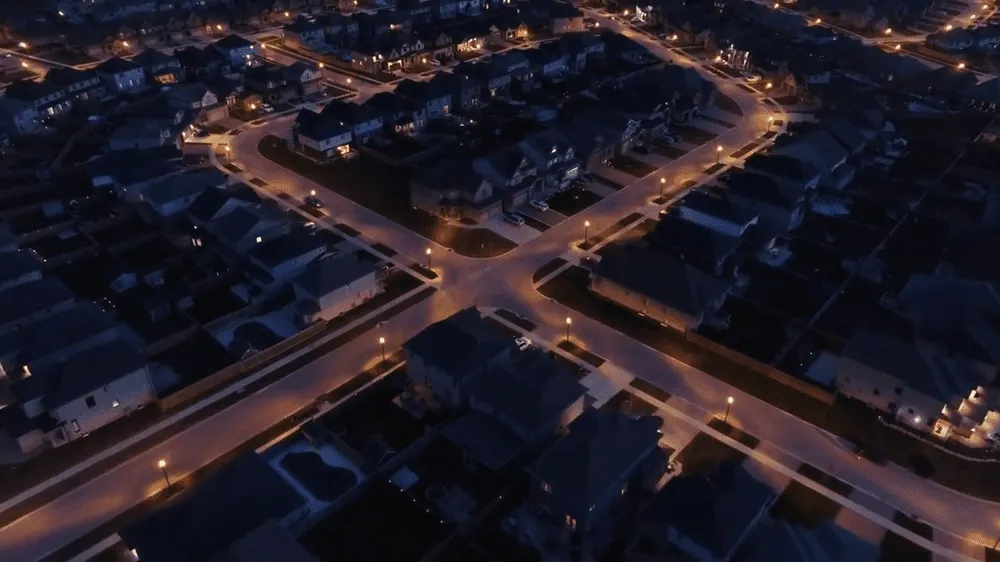
Solutions d'éclairage solaire respectueuses de la faune pour les lampadaires solaires commerciaux
Les systèmes d'éclairage solaire respectueux de la faune nécessitent une prise en compte minutieuse de plusieurs facteurs, notamment la température de couleur (généralement ≤3000K), la direction de la lumière (totalement protégée) et les contrôles intelligents. Ces luminaires respectueux de l'environnement minimisent la pollution lumineuse et les émissions de lumière bleue tout en fournissant l'éclairage nécessaire. Dans les zones côtières, l'éclairage solaire respectueux de la faune est particulièrement crucial pour protéger la nidification des tortues marines en évitant la dispersion de lumière sur les plages.
Les adaptations aux environnements extrêmes comprennent des systèmes de gestion thermique améliorés, des enceintes de batteries spécialisées, des traitements anti-corrosion pour les zones côtières et des systèmes de montage renforcés pour les zones à vents forts.
L'importance des lampadaires solaires pour parkings respectueux de la faune
Implementing proper solar wildlife friendly lighting is crucial for protecting island ecosystems. When poorly designed, artificial lighting can severely impact wildlife behavior and survival. This is particularly true for species like sea turtles and migratory birds that rely on natural light cues for navigation and survival.
Normes d'éclairage extérieur solaire de Hawaii
Hawaii, an island state known for its rich biodiversity and cultural heritage, has taken steps to mitigate the impact of artificial lighting on its wildlife. These efforts aim to preserve the natural beauty of the islands while protecting the many species that call Hawaii home. Hawaii's regulations on solar outdoor lighting, particularly in places like the Big Island, reflect a deep understanding of the island's ecological vulnerabilities and the need for responsible solar lighting design.
Hawaii County has adopted the "Hawai'i Outdoor Lighting Ordinance," which sets guidelines to reduce light pollution and protect native wildlife. Some key principles include:
- Shielding and Directionality: Lighting fixtures must be fully shielded and directed downwards to prevent light spillage into the sky or onto sensitive habitats. This minimizes the disruption of nocturnal activities of wildlife, such as the nesting of sea turtles and the migration of birds.
- Limiting Blue Light Emissions: The color temperature of lights is crucial in reducing their impact on wildlife. In Hawaii, solar streetlights are required to have a low color temperature, often 3,000 Kelvin or below, to minimize the emission of blue light, which has been shown to interfere with wildlife behavior. This warm-toned lighting is less likely to disorient animals.
- Avoiding Light Pollution: Hawaii's rules aim to prevent "skyglow" by ensuring no light is emitted above the horizon. This means solar lights are designed to illuminate only the necessary areas, such as roads and pathways, while preserving the darkness of the night sky. This approach benefits both wildlife and human stargazers, as Hawaii is home to some of the world's most important astronomical observatories.
- Reducing Light Intensity: The power and brightness of streetlights are also carefully controlled. Excessively bright lights can lead to over-illumination, which not only affects animals but also wastes energy and contributes to light pollution. By using lights that are powerful enough for safety but not so intense that they overwhelm the natural environment, Hawaii strives for a balance between human needs and wildlife protection.
L'impact d'une mauvaise conception d'éclairage
When lighting is not thoughtfully implemented, the consequences can be significant. For example, unshielded lights on coastal areas can draw newly hatched sea turtles away from the ocean, leading to dehydration, predation, or death. Similarly, lights that are too bright or improperly aimed can disrupt the behavior of nocturnal animals, including bats, birds, and certain reptiles, which rely on darkness for foraging and mating.
Bird species are also particularly vulnerable. In Hawaii, the Newell's shearwater, an endangered seabird, is known to be disoriented by artificial lights. During their fledging period, young birds become confused by bright lights, often flying into structures or becoming grounded, where they are vulnerable to predation. This phenomenon, known as "fallout," has led to significant population declines in bird species on the islands.
Mise en œuvre d'une conception d'éclairage respectueuse de la faune
To address these challenges, solar streetlight fixtures must be carefully selected and installed with wildlife in mind. A few key design principles for wildlife-friendly streetlights include:
- Low Intensity: Using lower wattage and energy-efficient bulbs can significantly reduce light pollution while still providing sufficient illumination for human use.
- Warm Color Temperature: Lights with a color temperature of 3,000 Kelvin or below, which emit a softer, amber glow, are less disruptive to wildlife compared to lights that emit more blue wavelengths.
- Directional Lighting: All light fixtures should be fully shielded to direct light only where it is needed. By preventing upward or outward light emission, the impact on both the night sky and the surrounding wildlife is minimized.
- Timers and Motion Sensors: Implementing smart lighting systems that use timers or motion sensors can further reduce the impact of artificial light by ensuring that lights are only active when needed, reducing unnecessary exposure to wildlife.
Une approche équilibrée pour un éclairage durable
The challenge of balancing human needs with wildlife protection is especially pressing on islands like Hawaii, where the ecosystems are both fragile and vital. By adopting thoughtful lighting practices, we can mitigate the impact of solar streetlights on island wildlife. Through the use of shielded, directional, and appropriately colored lighting, as well as adherence to regulations like those in Hawaii, we can create a safer environment for both humans and animals.
As urban development continues, we must recognize that our infrastructure—including solar-powered streetlights—can be both functional and environmentally responsible. By following Hawaii's example and implementing wildlife-friendly lighting solutions, we can ensure that the beauty and biodiversity of island ecosystems endure for generations to come.