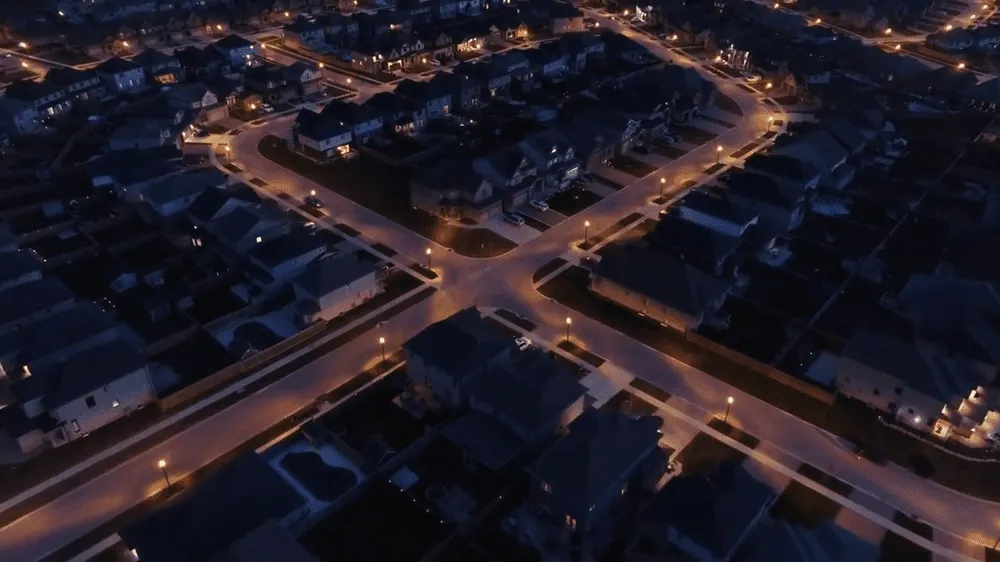
What Is The Conflict Between The Solar Walkway Lights In The Campsite And The Environment
- In campsites where solar walkway lights are installed, the lights may gradually fail over time. What starts out as a beautiful lighting path can turn into a state of inconsistent brightness or even complete darkness in some areas, which not only affects aesthetics, but can also become a safety hazard. As professional procurement consultants, we recommend that campsite operators establish regular maintenance and replacement mechanisms to ensure the continued effectiveness of lighting systems.
- Solutions:
- 1. Establish a regular inspection and maintenance mechanism to promptly replace failed solar walkway lights
- 2. Consider using more reliable quality solar lamps to extend their service life
- 3. For critical areas, add backup lighting facilities
- 4. Evaluate the long-term costs and consider upgrading to a more reliable lighting system.
- Solar walkway lights often pose a greater maintenance burden for campground operators. Due to limited battery life and aging components, batteries or the entire fixture needs to be replaced every once in a while, which not only increases operating costs but also consumes a lot of maintenance time and energy. As professional procurement consultants, we advise campsite operators to evaluate long-term maintenance costs and consider more sustainable lighting solutions.
- Solutions:
- 1. Consider using low-voltage LED systems to reduce long-term maintenance burdens
- 2. Establish a regular maintenance plan to detect and solve problems in a timely manner
- 3. Choose reliable quality solar lamps and extend the maintenance cycle
- 4. Evaluate long-term costs and choose the most cost-effective lighting solution.
- Campground solar walkway lights may attract insects, which may create a negative feedback loop: insects are attracted to the lights, triggering frequent activation of the motion sensor, causing the battery to drain faster, thus accelerating lamp failure. Light fixtures that attract more insects tend to fail faster. As professional procurement consultants, we advise campsite operators to consider lighting solutions that are less attractive to insects.
- Solutions:
- 1. Use lighting products that are less attractive to insects, such as LED lights with specific wavelengths
- 2. Clean lamps regularly to reduce the gathering of insects
- 3. Consider using physical insect protection measures such as shields
- 4. Evaluate different lighting technologies and choose a solution that is more suitable for the campsite environment.
- Campground solar walkway lights may not perform reliably during emergencies, inclement weather, or heavy use. Due to its reliance on solar charging, it may not be able to provide sufficient brightness when there is insufficient light, affecting safety. As professional procurement consultants, we advise campsite operators to have backup lighting systems in key areas to ensure reliable lighting in all conditions.
- Solutions:
- 1. Equip backup lighting systems in key areas to ensure lighting needs in emergency situations
- 2. Choose solar lamps with higher battery capacity and better waterproof performance
- 3. Establish an emergency lighting plan to ensure lighting protection in severe weather
- 4. Consider using hybrid lighting systems, combining solar and other power sources.
- The initial cost of solar walkway lights does have some appeal to campground operators, but the long-term costs need to be considered. Including factors such as frequent fixture replacements, maintenance labor investment, and guest complaints about insufficient lighting, the total long-term cost can exceed that of a wired lighting solution. As professional procurement consultants, we advise campsite operators to conduct a detailed cost analysis, taking into account long-term return on investment.
- Solutions:
- 1. Conduct a detailed long-term cost analysis, including initial investment, maintenance expenses and replacement costs
- 2. Assess the importance of lighting quality considering guest satisfaction and safety factors
- 3. Evaluate the long-term cost-effectiveness of alternatives such as low-voltage LEDs
- 4. Choose the most cost-effective lighting solution based on the size of your campsite and your budget.
- Campgrounds with solar walkway lights may have inconsistent lighting, with some areas being well lit and others being relatively dim. This inconsistency can impact the camping experience, causing inconvenience and discomfort. As professional procurement consultants, we advise campsite operators to choose solutions that provide consistent lighting effects, ensuring lighting quality throughout the entire campsite.
- Solutions:
- 1. Choose a lighting system that can provide consistent lighting effects to ensure lighting quality throughout the camp
- 2. Regularly inspect and maintain solar lamps to ensure that all lamps are working properly
- 3. Consider using solar lamps with unified specifications and brands to reduce performance differences
- 4. Evaluate more reliable lighting solutions, such as low-voltage LED systems, for more consistent lighting effects.
- Theft and vandalism are indeed important problems faced by solar walkway lights in campsites. Because they are small and portable, they are easy targets for theft, which can result in campground operators needing to replace lights frequently and increasing operating costs. As professional procurement consultants, we advise campsite operators to take steps to prevent theft and vandalism and choose safer lighting solutions.
- Solutions:
- 1. Use fixed or lockable lights to make theft more difficult
- 2. Choose a hidden or inaccessible place for installation
- 3. Consider using surveillance systems to deter theft
- 4. Evaluate safer lighting solutions, such as low voltage LED systems, to reduce the risk of theft.
- Cold weather can have a significant impact on the performance of solar walkway lights. Low temperatures will reduce battery efficiency, reduce charging capabilities, and may affect the normal operation of electronic components. In mountainous or northern campgrounds, solar walkway lights may experience significant performance degradation or even fail completely during the first winter. As professional purchasing consultants, we recommend that camping sites in cold regions consider lighting solutions that are more suitable for low-temperature environments.
- Solutions:
- 1. Consider dismantling solar walkway lights during the cold season and storing them indoors to extend their service life.
- 2. Choose solar lamps designed for low-temperature environments to improve performance in cold weather
- 3. Consider using a hybrid lighting system to provide backup lighting during winter
- 4. Evaluate lighting solutions more suitable for cold environments, such as low-voltage LED systems.
- Reports on campgrounds switching from solar to low-voltage walkway lighting show that while the initial investment is higher, the investment can often be recouped within 2-3 years by reducing long-term maintenance costs and eliminating the expense of frequent replacements. This means that low-voltage LED lighting systems are more cost-effective in the long term. As professional procurement consultants, we advise campsite operators to assess long-term return on investment and consider upgrading to a more reliable lighting solution.
- Solutions:
- 1. Evaluate the initial investment and long-term costs of low-voltage LED lighting systems and calculate the investment payback period
- 2. Consider guest satisfaction and safety factors, and evaluate the indirect benefits brought by the improvement of lighting quality
- 3. Develop a phased implementation plan to gradually upgrade the lighting system
- 4. Choose low-voltage LED products with reliable quality to ensure return on investment.
Should you have any questions, please do not hesitate to contact us.