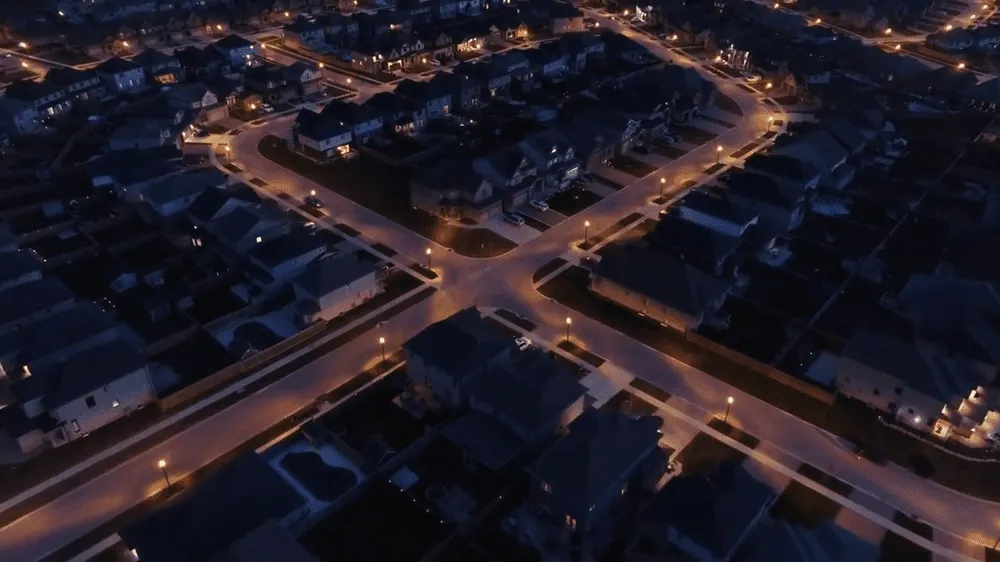
Solar Path Lights Tend To Tilt And Fall Over During Use What Design Defects Are Causing This
- I've tried everything to keep the solar street lights upright - deeper holes, concrete, metal stakes. They still lean because the plastic casing warps in the sun and the weight distribution is unbalanced.
- Solutions:
- 1. Fix the lamp to the concrete pavers with epoxy resin
- 2. But note that thermal expansion may cause the plastic to crack.
- 3. Pay attention to material properties
- 4. Choose the appropriate fixing method.
- The tilt problem is because the solar lamp is top-heavy, with the panel and battery at the top but the stakes at the bottom. Any loose soil or frost heave will cause them to tilt.
- Solutions:
- 1. Add bottom weight
- 2. Or move the battery down close to the ground
- 3. Improve center of gravity distribution
- 4. Improve stability.
- Epoxy-mounting solar lights to concrete pavers prevents leaning, but the plastic housings subsequently crack from thermal expansion. This is a structural limitation of the cheap product category that cannot be remedied by installation technique.
- Solutions:
- 1. Use flexible adhesive
- 2. Or mechanical fixation
- 3. Leave allowance for thermal expansion
- 4. Consider material properties.
- The only way to prevent solar street lights from tilting is to install them in concrete, which defeats the "easy to install" selling point. Might as well install low voltage lights then.
- Solutions:
- 1. If the location is important, install low-voltage lights directly
- 2. Its metal pile is more stable
- 3. Choose a more reliable solution
- 4. Choose according to your needs.
- Solar lamp posts are designed for aesthetics, not functionality. They are too narrow to provide stability and too short to reach stable soil. This is a basic design compromise.
- Solutions:
- 1. Accept the trade-off between beauty and stability
- 2. Or choose a lamp with a thicker appearance
- 3. Balancing needs
- 4. Choose products reasonably.
- Even gravel-and-concrete installations cannot prevent solar light leaning long-term. Within one year, roughly half of units still lean due to plastic stake degradation and warping.
- Solutions:
- 1. Choose products with metal casings
- 2. Choose metal pile products
- 3. Avoid plastic aging problems
- 4. Choose durable materials.
- The tilt problem gets worse over time. UV exposure can make the plastic brittle, and then the weather is over. Even perfectly installed lights can eventually tip and fall.
- Solutions:
- 1. Regularly inspect and replace aging plastic parts
- 2. Or use metal from the beginning
- 3. Make a maintenance plan
- 4. Choose durable materials.
- I switched to solar lights with metal stakes and they stayed upright better, but then the metal rusted and the electronics failed. Entire product categories are poorly designed.
- Solutions:
- 1. Choose stainless steel or galvanized metal piles
- 2. And pay attention to the waterproofing of electronic parts
- 3. Choose rust-proof materials
- 4. Take waterproof measures.
- The real solution to the solar light tilt problem is to stop buying solar lights. Install proper low-voltage path lights using sturdy mounting hardware and never forget about tilt.
- Solutions:
- 1. Invest in low voltage LED path lights
- 2. Use sturdy mounting hardware
- 3. Solve all problems at once
- 4. Choose a reliable solution.
Should you have any questions, please do not hesitate to contact us.