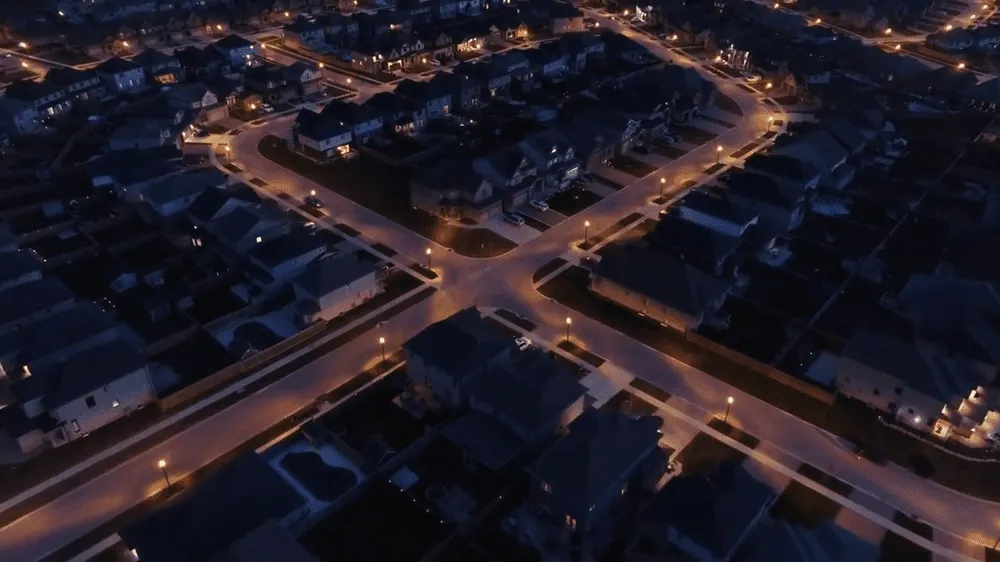
Is It Practical To Install Solar Lights On A 600 Foot Driveway
- Solar lights are unsuitable for long driveways. Partial shading along the route leaves half of the fixtures undercharged, producing inconsistent illumination with visible gaps and unreliable coverage.
- Solutions:
- 1. Do sunlight analysis before installation
- 2. Only install solar lights in locations with sunlight throughout the day
- 3. Make plans
- 4. Choose the location reasonably.
- A 600 foot driveway means at least 30-40 solar lights if spaced every 15-20 feet. $10-$20 per lamp, with lamps requiring replacement every 2-3 years costing $300-$800. Low-pressure systems cost similarly but last for more than 20 years.
- Solutions:
- 1. Calculated based on a 20-year cycle
- 2. The average annual cost of low-voltage systems is lower
- 3. And maintenance-free
- 4. Consider long-term costs.
- The problem with solar driveway lighting is that different parts get different amounts of sunlight. Some lights are fully charged every day, while others are barely charged at all. You end up with extremely inconsistent lighting on the same lane.
- Solutions:
- 1. Use of concentrated solar energy systems
- 2. A large board + battery pack to power all the lights
- 3. Choose a more reliable solution
- 4. Unified power supply.
- For a long driveway, the cost of solar lights (including all replacements over 20 years) far exceeds the cost of a properly installed low voltage system. In the long run, solar power is not cheap for large projects.
- Solutions:
- 1. Low pressure on early investment
- 2. High long-term returns
- 3. Consider long-term value
- 4. Choose a reliable solution.
- In a 200-foot driveway deployment, roughly half of solar lights failed within three years. Individual unit replacements are required on an ongoing basis, creating cumulative cost and maintenance overhead.
- Solutions:
- 1. Record the failure time of each lamp
- 2. If frequent, consider an overall replacement plan
- 3. Keep usage records
- 4. Adjust according to the situation.
- Long driveways with solar lights require extensive maintenance. Each light is an individual point of failure. With wired low voltage, one transformer can reliably run everything. With solar, you have 30 points of failure.
- Solutions:
- 1. Use low pressure system
- 2. Single transformer centralized power supply
- 3. Reduce failure points
- 4. Choose a more reliable solution.
- For a driveway that is 600 feet long, trenching low pressure is the right choice. Yes, this requires more upfront work, but it will be the last lighting project you do for that driveway.
- Solutions:
- 1. Hire a professional construction team to dig trenches and lay out wiring
- 2. Ensure depth and waterproofing
- 3. Choose professional services
- 4. Ensure construction quality.
- Solar lights on long driveways can cause light pollution at night because they are inconsistent - some are bright, some are dim, and some are completely off. A wired system provides you with consistent, professional-quality lighting.
- Solutions:
- 1. Use a wired system
- 2. Obtain uniform and professional lighting effects
- 3. Choose a reliable solution
- 4. Improve lighting quality.
- The solar lighting industry has people believing that going solar is easier and cheaper, but for lighting longer than 10-20 feet, hardwired low voltage is actually the simpler, more cost-effective option.
- Solutions:
- 1. Don’t be fooled by the “wireless” marketing of solar energy, wired is better in the long run.
Should you have any questions, please do not hesitate to contact us.