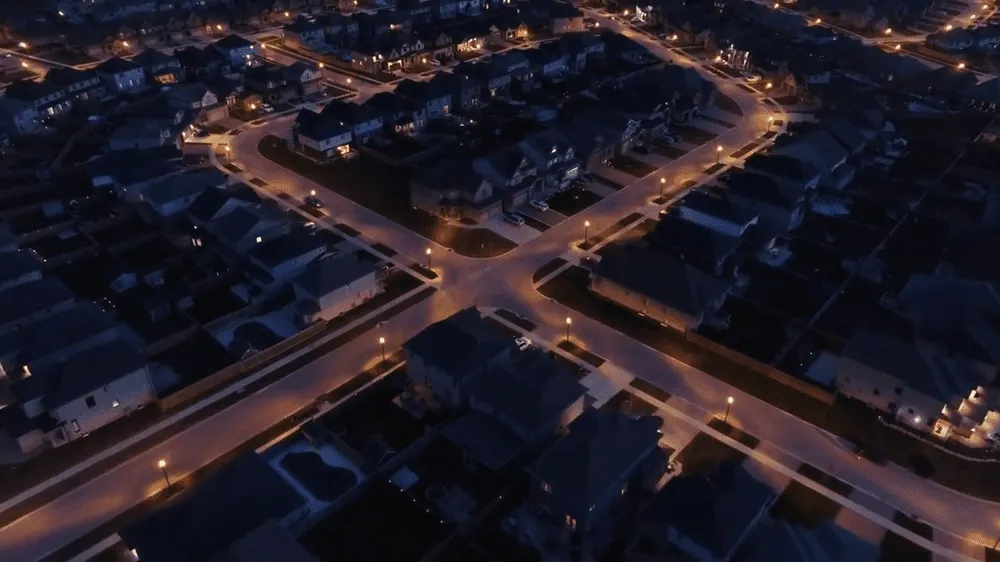
How Do Solar Lights Create A Complete Pest Food Chain
- The light from solar lights may attract insects, especially on cool nights. As professional purchasing consultants, we recommend choosing the right lamp type and color temperature to reduce the attraction to insects.
- Solutions:
- 1. Use cool white or yellow light to reduce the attraction to insects
- 2. Choose lamps with protective covers to control the direction of light
- 3. Reasonably control the lighting time and avoid lighting all night
- 4. Clean around the lamp regularly to reduce the gathering of insects.
- Rodents may use the shadows around solar lights as cover to hunt insects. As professional purchasing consultants, we recommend reasonable placement of lighting fixtures to reduce the habitat of rodents.
- Solutions:
- 1. Install lights away from building foundations to reduce the chance of rodents gaining access to the house
- 2. Keep the area around the lamp clean and reduce hiding places
- 3. Regularly check and clean around lighting fixtures to prevent rodents from gathering
- 4. Consider using rodent-proofing measures such as rodent zappers or rodent repellents.
- Moths may lay eggs near solar lights, and the hatching caterpillars may damage nearby plants. As professional purchasing consultants, we recommend choosing appropriate lighting around your plants to reduce the attraction to moths.
- Solutions:
- 1. Use lighting around plants that is less attractive to insects
- 2. Choose lamps with protective covers to control the direction of light
- 3. Check plants regularly and deal with caterpillars promptly
- 4. Consider using natural pest control methods such as plant essential oils or biological control.
- Solar lights near foundations and entrances may attract insects that can enter the home. As professional purchasing consultants, we recommend placing lighting fixtures appropriately to avoid attracting insects to the entrance to the house.
- Solutions:
- 1. Install lights away from doors and windows to avoid attracting insects into the house
- 2. Choose lighting that is less attractive to insects
- 3. Keep doors and windows sealed to prevent insects from entering
- 4. Check around the house regularly and seal possible insect entry points.
- Incorrect triggering of solar motion lights can produce pulses of light that attract and confuse insects. As a professional purchasing consultant, we recommend setting the sensitivity of the motion sensor appropriately to reduce false triggering.
- Solutions:
- 1. Reduce the sensitivity of the motion sensor and reduce false triggering
- 2. Adjust the detection range of the motion sensor to avoid detecting unnecessary moving objects
- 3. Set the lighting time reasonably to avoid frequent switching
- 4. Choose motion lights with reliable quality to reduce the possibility of false triggering.
- Snakes may be attracted to areas with high insect activity. Solar lights may indirectly attract snakes if they attract a large number of insects. As professional purchasing consultants, we recommend keeping the area around the lamp tidy to reduce the habitat for snakes.
- Solutions:
- 1. Keep the area around the lamp clean and free of debris to reduce hiding places for snakes
- 2. Control the insect population and reduce the food source of snakes
- 3. Regularly check around the lighting fixtures to detect and deal with snake problems in a timely manner
- 4. Consider using snake repellents to reduce the presence of snakes.
- Mosquitoes may be attracted to LED light and carbon dioxide, and the heat generated by solar electronics may also increase attraction to mosquitoes. As professional purchasing consultants, we recommend measures to reduce mosquito populations.
- Solutions:
- 1. Use special mosquito killer lamps or repellents to reduce the number of mosquitoes
- 2. Choose lighting that is less attractive to mosquitoes
- 3. Keep the surrounding environment clean and reduce mosquito breeding areas
- 4. Consider using mosquito nets or window screens to prevent mosquitoes from entering.
- For pest control purposes, reducing unnecessary light sources is an important measure to control insect populations. As professional purchasing consultants, we recommend using solar lights only when necessary and avoiding over-lighting.
- Solutions:
- 1. Only turn on the lights when necessary and avoid lighting them all night
- 2. Remove or turn off unnecessary solar lights
- 3. Choose low-brightness, directional lighting fixtures to reduce light pollution
- 4. Use in conjunction with other pest control measures such as insect repellents or traps.
- Solar lights may attract pests in some cases and affect the comfort of outdoor life. As professional purchasing consultants, we recommend the rational use of solar lights, taking measures to reduce the attraction of pests and create a more comfortable outdoor environment.
- Solutions:
- 1. Weigh the pros and cons of solar lights and install them carefully
- 2. Evaluate the practical impact of solar lights on outdoor living
- 3. Consider the problem of pest attraction and take corresponding prevention and control measures
- 4. Comprehensively consider lighting needs and environmental impacts to make informed decisions.
Should you have any questions, please do not hesitate to contact us.