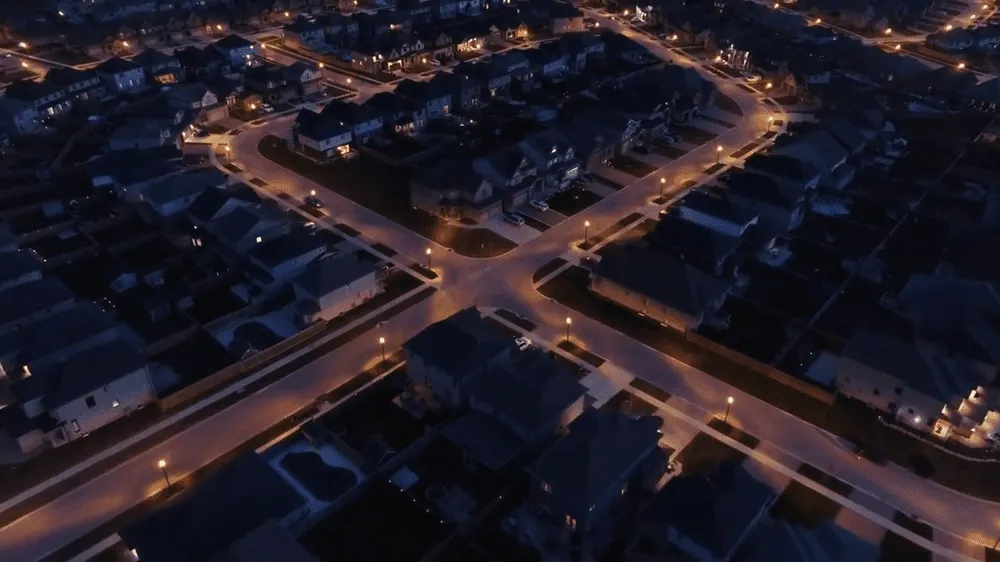
How Do Solar Garden Lights Disrupt The Circadian Rhythms Of Plants And Pollinators
- Moths and other night-flying insects may be attracted to solar garden lights, affecting their normal activities. As professional purchasing consultants, we recommend choosing insect-friendly lighting products.
- Solutions:
- 1. Use warm color temperature (below 2700K) LEDs to reduce attraction to insects
- 2. Choose lamps with protective covers to prevent light from spreading directly outwards
- 3. Reasonably control the lighting time and avoid lighting all night
- 4. In areas with frequent insect activity, appropriately reduce the use of lighting.
- Artificial light at night may have some impact on the pollination chain. As professional procurement consultants, we recommend appropriate lighting measures during critical pollination seasons to protect the ecological balance.
- Solutions:
- 1. Turn off unnecessary lights during critical pollination seasons
- 2. Choose lighting products that have less impact on nighttime pollinators
- 3. Arrange the lighting fixtures reasonably to avoid affecting the natural pollination process of plants.
- 4. Develop an eco-friendly lighting solution based on the natural environment.
- Birds that rely on the stars for navigation may be confused by the light pollution produced by solar garden lights. As professional purchasing consultants, we recommend the cautious use of outdoor lighting near bird migration paths.
- Solutions:
- 1. Avoid using strong lights on the migration paths of migratory birds
- 2. Choose lighting products with low brightness and warm color temperature
- 3. Reasonably control the lighting time and avoid lighting all night
- 4. Consider using a hood to reduce the upward spread of light.
- Beneficial insects such as fireflies are sensitive to light pollution, and solar garden lights may affect their mating signals and reproductive behavior. As professional purchasing consultants, we recommend appropriate lighting measures during the firefly season.
- Solutions:
- 1. Turn off low ground lights during firefly season
- 2. Choose lighting products that have less impact on fireflies
- 3. Reasonably control the lighting time to avoid interfering with the normal activities of fireflies
- 4. Develop an eco-friendly lighting solution based on the natural environment.
- Amphibians (frogs, toads, salamanders) are sensitive to artificial light, and solar garden lighting near ponds may affect their activities and reproductive cycles. As professional purchasing consultants, we recommend careful use of lighting around ponds.
- Solutions:
- 1. Avoid overnight lighting around the pond
- 2. Choose lighting products with low brightness and warm color temperature
- 3. Arrange the lighting fixtures reasonably to avoid direct exposure to the pond.
- 4. Regularly check and adjust lighting settings to ensure harmonious coexistence with the natural environment.
- The constant light from solar garden lights may affect the natural nocturnal predator-prey balance. As professional procurement consultants, we recommend the rational use of lighting to protect the natural balance of the ecosystem.
- Solutions:
- 1. Use low brightness or red light lighting to reduce the impact on nocturnal creatures
- 2. Reasonably control the lighting time and avoid lighting all night
- 3. Choose lamps with protective covers to avoid excessive diffusion of light
- 4. Develop an eco-friendly lighting solution based on the natural environment.
- Research shows that even dim solar garden lights may affect insect behavior within a certain radius. As professional purchasing consultants, we recommend arranging lighting fixtures rationally to reduce the impact on wildlife.
- Solutions:
- 1. Reduce the number of lamps and concentrate lighting on necessary areas
- 2. Choose lighting products with low brightness and warm color temperature
- 3. Arrange the lighting fixtures reasonably to avoid excessive lighting.
- 4. Regularly check and adjust lighting settings to ensure harmonious coexistence with the natural environment.
- The blue light emitted by cheap solar LEDs may have some impact on wildlife. As professional purchasing consultants, we recommend choosing eco-friendly lighting products.
- Solutions:
- 1. Choose warm white (2700K) LED to reduce blue light components
- 2. Avoid using cheap, high color temperature solar LEDs
- 3. Choose lighting products that have less impact on wildlife
- 4. Reasonably control lighting time and brightness to reduce the impact on the ecological environment.
- Environmentally conscious gardeners can reduce the impact on wildlife by arranging outdoor lighting appropriately. As professional purchasing consultants, we recommend eco-friendly lighting solutions.
- Solutions:
- 1. Follow the "dark sky" lighting principle to reduce light pollution
- 2. Using motion-sensing, downward-directed warm-spectrum lighting
- 3. Use lighting only when and where needed
- 4. Choose eco-friendly lighting products to protect wildlife habitats.
Should you have any questions, please do not hesitate to contact us.