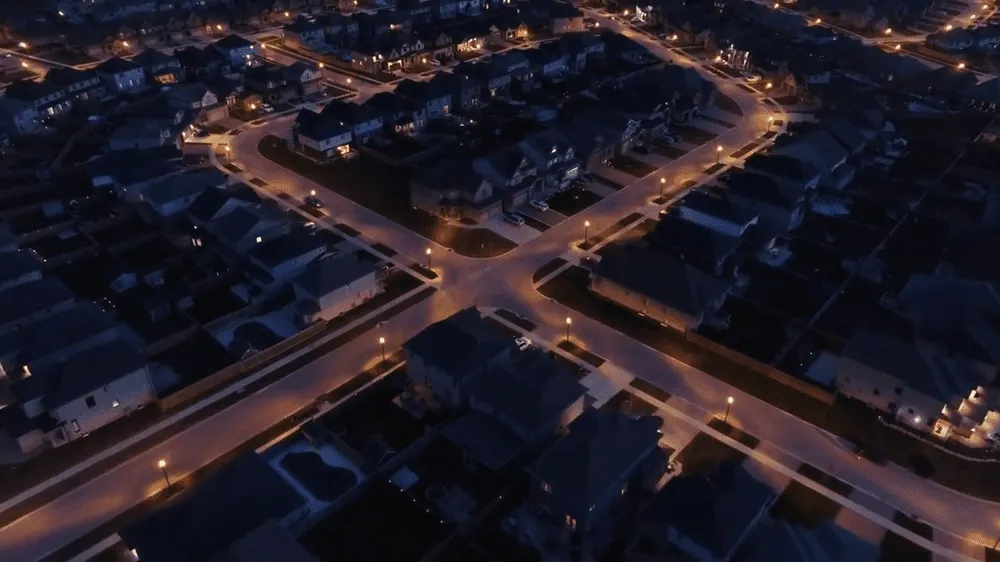
How Do Solar Garden Lights Damage The Natural Ecosystem Of The Garden
- Plants near solar garden lights exhibit measurable stress from constant low-level lighting. Extended photoperiods disrupt their natural dormancy cycles and affect flowering and fruiting patterns.
- Solutions:
- 1. Move the solar lights away from the plant area to reduce the impact of light
- 2. Use timers to control lighting time to avoid continuous lighting at night
- 3. Arrange the lighting fixtures reasonably to avoid direct illumination of plants
- 4. Check the lighting effect regularly to ensure it does not cause stress to the plants.
- The batteries in solar garden lights are a toxic waste problem. When they fail and leak, they contaminate the soil. This is especially problematic for vegetable gardens.
- Solutions:
- 1. Regularly check the battery status of solar lights and replace aging batteries in time.
- 2. Prevent battery leakage from contaminating the soil
- 3. Choose environmentally friendly batteries to reduce environmental impact
- 4. Replace the battery in time before it expires to avoid contamination problems.
- Solar garden lights left on all night disrupt moth populations, which are important pollinators for many plant species. Gardens with solar lights have fewer moths, which means fewer pollination events.
- Solutions:
- 1. Set the solar lights to automatically turn off after midnight to reduce the impact on night pollinating insects such as moths
- 2. Use timer or intelligent control device to realize time switch
- 3. Arrange lighting time reasonably to ensure that the nighttime ecosystem is not disturbed
- 4. Regularly check lighting settings to ensure compliance with environmental requirements.
- Continuous vibrations from sunlight (from nearby wind, traffic, or building vibrations) can cause microstress in plants. Plants near continuously operating electronic devices exhibit different growth patterns.
- Solutions:
- 1. Install solar lights on a stable surface to reduce the impact of vibration on plants
- 2. Choose a solid installation foundation to avoid vibration transmission
- 3. Use anti-vibration pads or isolation devices during installation
- 4. Regularly check the installation status to ensure that the lamp is stable.
- Artificial garden lighting can attract predators that would not normally visit your garden at night. Bats, owls, and other nocturnal predators are attracted to the light, altering the natural balance of the garden ecosystem.
- Solutions:
- 1. Reduce the lighting time and intensity of solar lights to avoid attracting nocturnal predators
- 2. Use motion sensor control to light up only when needed
- 3. Arrange the lighting fixtures reasonably to avoid excessive lighting.
- 4. Regularly evaluate lighting needs and optimize lighting solutions.
- Solar garden lights interfere with the natural predator-prey relationship in the garden. Light alters the hunting patterns of beneficial insects and increases pest populations by disrupting natural controls.
- Solutions:
- 1. Use motion sensing solar lights that only light up when motion is detected
- 2. Motion sensor lights can reduce the ecological impact of continuous lighting at night
- 3. Choose products with adjustable sensitivity and lighting time
- 4. Check the induction function regularly to ensure normal operation.
- Night lighting with solar garden lights prevents soil microorganisms from performing their natural nighttime functions. The microbiome behaves differently in light soil than in dark soil.
- Solutions:
- 1. Avoid using solar lights for overnight lighting in vegetable gardens
- 2. Vegetable garden soil microorganisms need a dark environment at night
- 3. Choose a motion-sensing or time-controlled lighting solution
- 4. Evaluate your lighting needs before purchasing and choose the right product.
- Research shows that artificial lighting at night can significantly reduce the number of ground-nesting bees and other pollinators in gardens. Solar lights contribute to pollinator decline.
- Solutions:
- 1. Turn off solar lights in areas where bees are active to protect pollinators
- 2. Understand the activity time of bees and arrange lighting appropriately
- 3. Choose lighting products with low brightness or warm color temperature
- 4. Check the lighting effect regularly to ensure that it does not affect bees.
- The irony of solar garden lights is that they are promoted as environmentally friendly, but they actually cause light pollution, produce toxic battery waste, and damage natural ecosystems. They are greenwashing, not green.
- Solutions:
- 1. Understand the environmental propaganda nature of solar lights and use them with caution
- 2. Understand the real environmental impact of products and not be confused by marketing rhetoric
- 3. Give priority to more environmentally friendly lighting solutions
- 4. Fully assess the environmental costs of a product before purchasing.
Should you have any questions, please do not hesitate to contact us.