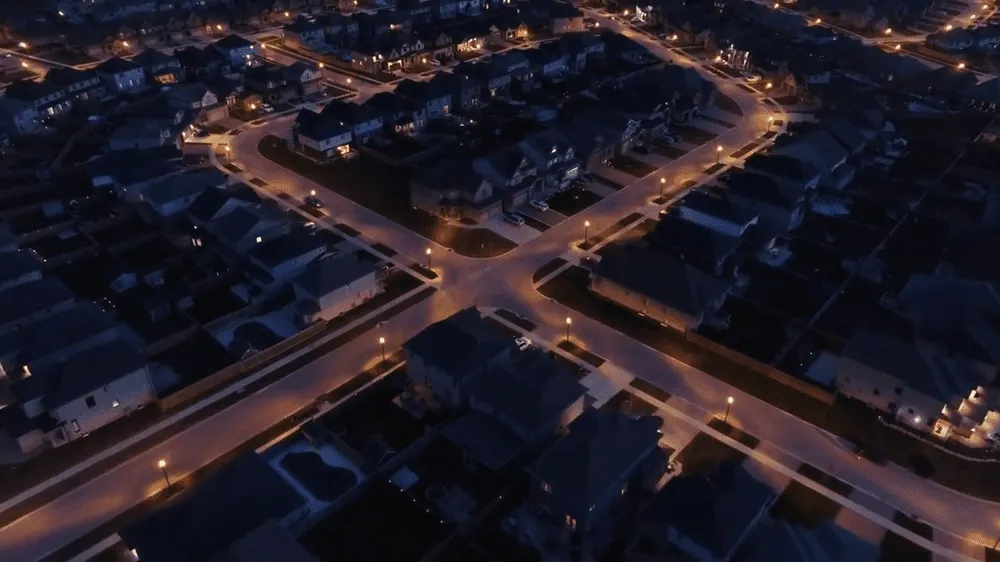
Will Predators Foxes Raccoons Learn The Unreliable Patterns Of Solar Lights
- Solar-powered predator deterrent lights have a limited battery life. Predators approaching after midnight will notice dim lights and unprotected chicken coops.
- Solutions:
- 1. Install backup wired lights to ensure there is still light after midnight
- 2. Develop a regular battery replacement plan to ensure the battery is in good condition
- 3. Choose solar lights with large-capacity batteries to extend the lighting time
- 4. Consider using a hybrid power supply solution, combining solar and wired power.
- The dim output of solar deterrent lights is not enough to deter persistent predators. Raccoons and foxes quickly adapt to low light.
- Solutions:
- 1. Use high-brightness wired LED lights to ensure sufficient deterrent effect
- 2. Choose lamps with strong light flashing function to enhance deterrence
- 3. Arrange the lighting fixtures reasonably to ensure coverage of the entire chicken house area.
- 4. Check the brightness of lamps regularly and replace aging bulbs in time.
- Winter is when predator pressure is greatest (shortage of food) and solar lights work least (short days, cold batteries). The timing couldn’t be worse for chicken coop conservation.
- Solutions:
- 1. Switch to wired lights when winter comes to ensure reliable lighting
- 2. Choose low-temperature-resistant lighting equipment to ensure normal operation in cold weather
- 3. Check the lighting system regularly and deal with faults in a timely manner
- 4. Consider installing a backup power supply to ensure continuous power supply.
- To effectively deter predators, bright, consistent and reliable lighting is crucial. Solar energy cannot deliver these qualities consistently.
- Solutions:
- 1. Install a wired lighting system to ensure bright, consistent and reliable lighting
- 2. Choose high-brightness LED lamps to enhance the deterrent effect
- 3. Use a timer or motion sensor control to ensure it is on when needed
- 4. Regularly inspect and maintain the lighting system to ensure normal operation.
- Wired LED lights with appropriate fencing are a proven predator deterrent. The reliability of wired lighting means predators cannot predict periods of darkness.
- Solutions:
- 1. Install a wired LED lighting system to ensure reliable lighting
- 2. Combined with appropriate fencing to form a physical barrier
- 3. Consider using electric fences to enhance protection
- 4. Regularly inspect lighting and fencing systems to ensure proper operation.
- Solar motion lights in chicken coop areas are triggered by chicken movement, wind blown doors and other non-predator events. Continuous false triggers will reduce the deterrent effect.
- Solutions:
- 1. Choose a constant light instead of a motion sensor light to avoid false triggering
- 2. If using motion sensor lights, adjust sensitivity settings to reduce false triggers
- 3. Set the delay off function to keep the lighting stable
- 4. Check the sensing range regularly to ensure the target area is covered.
- The solar panels on the chicken coop lights are covered with dust, feathers and coop debris, reducing charging efficiency. Regular cleaning is required but impractical for automated systems.
- Solutions:
- 1. Install solar panels high outside the chicken house to reduce dust and debris coverage
- 2. Choose panels with self-cleaning coatings to reduce maintenance requirements
- 3. Develop a regular cleaning schedule to ensure panels remain clean
- 4. Consider using extension cords to mount the panels away from the house.
- To keep your chicken coop safe, wired lights combined with electric fencing provide the most reliable predator protection. Solar lights alone are not enough.
- Solutions:
- 1. Install a wired LED lighting system to ensure reliable lighting
- 2. Combined with electric fence to form multi-layer protection
- 3. Consider installing surveillance cameras to enhance security
- 4. Regularly inspect and maintain all safety equipment to ensure normal operation.
- Predator control experts recommend reliable lighting as part of a multi-layered safety approach. Solar lights are too unreliable to be meaningful components.
- Solutions:
- 1. Follow the advice of predator control experts and use a multi-layered safety approach
- 2. Use reliable wired lighting systems as a safety measure
- 3. In conjunction with other security equipment, such as fences and surveillance
- 4. Regularly evaluate the effectiveness of the security system and adjust the plan in a timely manner.
Should you have any questions, please do not hesitate to contact us.