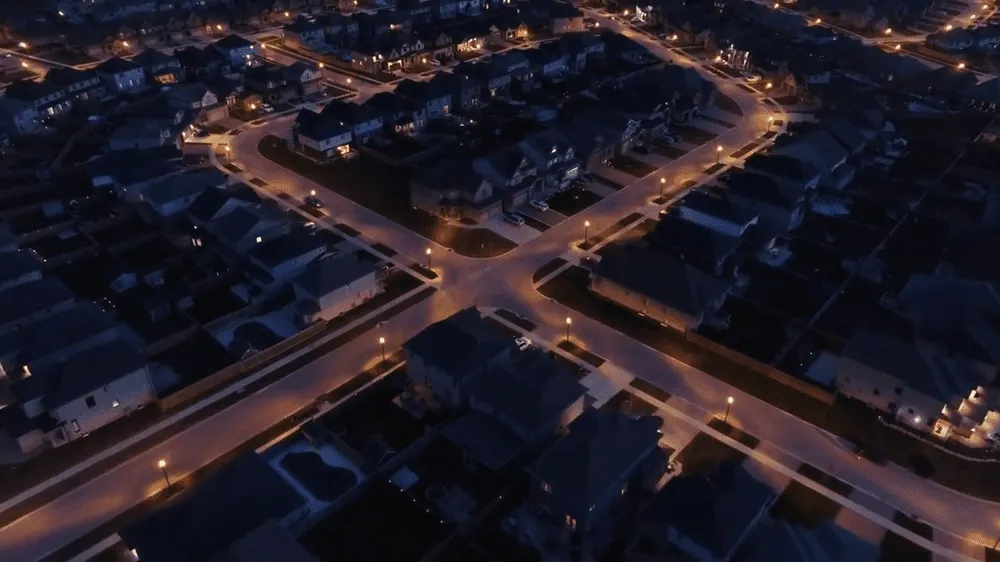
If The Product Lacks Safety Certification Is It Possible That Fire Insurance Caused By Solar Lights Will Deny Compensation
- Insurance adjusters may deny claims if solar lights are improperly stored or used. Leaving a rechargeable light near flammable materials may be considered negligence.
- Solutions:
- 1. Follow the safe use guidelines for solar lights to avoid insurance denials
- 2. Store and use solar lights correctly and avoid being near flammable materials
- 3. Regularly check the status of lamps to ensure safe use
- 4. Keep product instructions and safety instructions for easy reference.
- Liability risks from solar fires extend beyond direct damage. A single solar light failure can result in damage to neighboring properties, landscaping, and personal injury claims.
- Solutions:
- 1. Purchase liability insurance to cover possible liability risks caused by solar lights
- 2. Understand insurance coverage to ensure coverage for property damage and personal injury
- 3. Check your insurance policy regularly to ensure adequate coverage
- 4. Choose an insurance company with a good reputation to ensure smooth claim settlement.
- Documenting sunlight that causes a fire is difficult because product markings, certifications, and model information are often destroyed in the fire itself.
- Solutions:
- 1. Keep purchase records and product photos of solar lights to facilitate fire investigation
- 2. Record the product model, serial number and purchase date
- 3. Take photos to record the installation location and status of the lamps
- 4. Store records in a safe location to facilitate insurance claims.
- Homeowners insurance may require proof that the solar lights used are properly certified (UL, ETL, CE) to cover any related claims. Most consumer solar lights lack meaningful certifications.
- Solutions:
- 1. Keep the certification certificate when purchasing solar lights to ensure that they meet insurance requirements
- 2. Request product certification documents, such as UL/ETL certification certificate
- 3. Keep the certification certificate properly to facilitate insurance claims.
- 4. Regularly check certification documents to ensure validity.
- The insurance claims process for sun accidents is complicated by the difficulty in proving cause. Without a clear origin, claims may be subject to dispute.
- Solutions:
- 1. Take photos and records when installing solar lights to facilitate insurance claims.
- 2. Take photos to record the installation location, method and surrounding environment
- 3. Save photos and installation records to facilitate proof of installation compliance
- 4. Store records in a safe location to facilitate insurance claims.
- The financial liability caused by a solar fire may exceed the value of the property damage. Fires can spread to adjacent buildings, vehicles, and landscaping, causing fires that extend far beyond initial light.
- Solutions:
- 1. Keep a safe distance between solar lights and flammable materials to avoid fire risks
- 2. When installing, ensure that the lamp is kept away from flammable materials such as wood, hay, etc.
- 3. Regularly check the environment around the lamp to ensure a safe distance
- 4. Consider fire safety when selecting the installation location to avoid potential risks.
- Some policies do not cover damage caused by uncertified electrical products. Solar lights on online marketplaces that are not properly certified may fall into this category.
- Solutions:
- 1. Read the fine print of your homeowners insurance policy carefully to understand the insurance coverage related to solar lights.
- 2. Understand the exemption clauses in the policy regarding uncertified electrical products
- 3. Confirm whether the policy covers fire or damage caused by solar lights
- 4. If in doubt, consult an insurance agent to ensure you fully understand the insurance terms.
- The risk of fire caused by solar lights should be disclosed to insurance companies. Failure to disclose known risks, such as charging lithium batteries near a building, may affect coverage.
- Solutions:
- 1. Disclose the risk of fire caused by solar lights to your insurance agent to ensure coverage
- 2. Inform the agent of the type and quantity of solar lights installed
- 3. Understand the insurance terms and disclaimers related to solar lights
- 4. Make sure your insurance policy covers possible losses caused by solar lights.
- The safest approach is to only use UL or ETL certified solar lights, keep them away from structures and flammable materials, and never leave them charging unattended.
- Solutions:
- 1. Strictly abide by the safe use guidelines of solar lights
- 2. Only use UL or ETL certified solar lights
- 3. Keep light fixtures away from buildings and flammable materials
- 4. Never charge without supervision to ensure safe use.
Should you have any questions, please do not hesitate to contact us.